


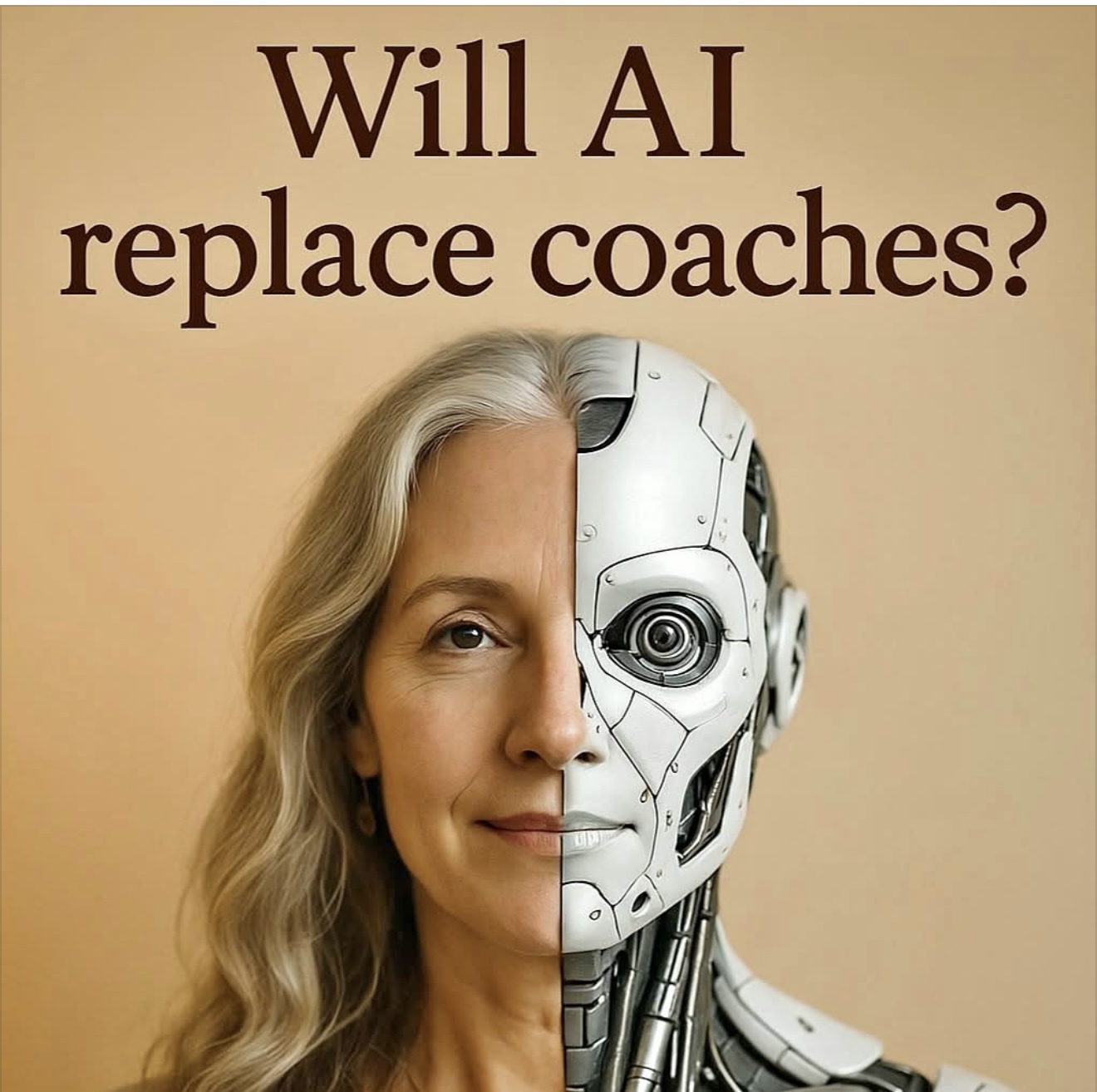
How AI is Changing the Coaching Business: Tools That Save Admin Time vs. What You Should Never Automate
AI has moved into almost every corner of running a business, and coaching is no different. Scheduling, note-taking, drafting emails, marketing content: coaches are finding new ways to save hours every week thanks to smart tools.
But here’s the thing. Not everything in a coaching business should be handed over to a machine. Some parts of the work need to stay human. Here’s a guide to where AI helps, and where you need to keep your hands firmly on the wheel.
How AI is Already Influencing Coaching
Coaching has always been about human connection, and that hasn’t changed.
What has changed is the sheer amount of admin, marketing, and back-end work that used to eat into a coach’s day. AI tools now knock a lot of that grunt work out in minutes instead of hours. That means more time for coaching, more energy for your clients, and space to grow your practice without burning out.
The trick is knowing what to hand over and what to hold onto.
Where AI for Coaches Saves Time
There are a few areas where AI for coaches really shines. These are the low-risk, high-reward tasks that free you up to focus on the work that matters.
- Scheduling and reminders: Tools like Calendly, paired with AI assistants, can book appointments, reschedule, and send reminders without you lifting a finger.
- Session notes and summaries: AI can turn a rough voice memo into a tidy summary or action plan for your client.
- Content creation: Blog outlines, social captions, newsletter drafts, and email sequences can all be sped up with AI as a starting point.
- Client onboarding: Intake forms, follow-up emails, and template flows can be personalised at scale.
- Research and prep: AI can pull together background info before a session so you walk in ready to go.
Used well, AI in coaching can cut hours of admin out of your week and let you focus on the reason you started your coaching business in the first place.
What You Should Never Automate in Your Coaching Business
AI can be a handy assistant, but it can’t replace you.
Here’s what should always stay human:
- The coaching itself: Real coaching happens in the pause, the follow-up question, the moment of insight. No AI can read a client the way a trained coach can.
- Emotional support: When a client is in the deep end, they need human presence.
- Ethical calls and referrals: Knowing when to refer a client to a therapist or another professional is a skill AI cannot replicate.
- Personal touches: Milestone messages, check-ins, celebration notes. These mean something because they come from you, not a scheduled script.
If you want to know what a life coach does at their best, it’s this human, connected work. That’s the piece you protect.
How to Use AI in Coaching Without Losing Your Edge
The coaches who get the most out of AI treat it as a smart assistant to lean on, rather than a stand-in for their own work. Use it for the admin, but keep the human stuff for you.
A few ground rules:
- Always review AI-generated content before it goes to a client
- Never let AI handle sensitive conversations or crisis moments
- Be upfront with clients about where you use AI in your practice
- Keep investing in your skills, because that’s what clients pay for
Solid life coaching courses will teach you frameworks and skills no AI tool can copy, which is exactly what makes your practice stand out.
Build a Coaching Business That Balances AI and Heart
The future of coaching isn’t AI versus coaches. It’s coaches who use AI wisely to spend more time doing what they do best. Get properly trained, protect the human side of your work, and hand the time-consuming admin to AI.